Why NITA-Accredited Training Matters for Modern Businesses
- September 9, 2026
- Posted by: adminev
- Category: Human Resource
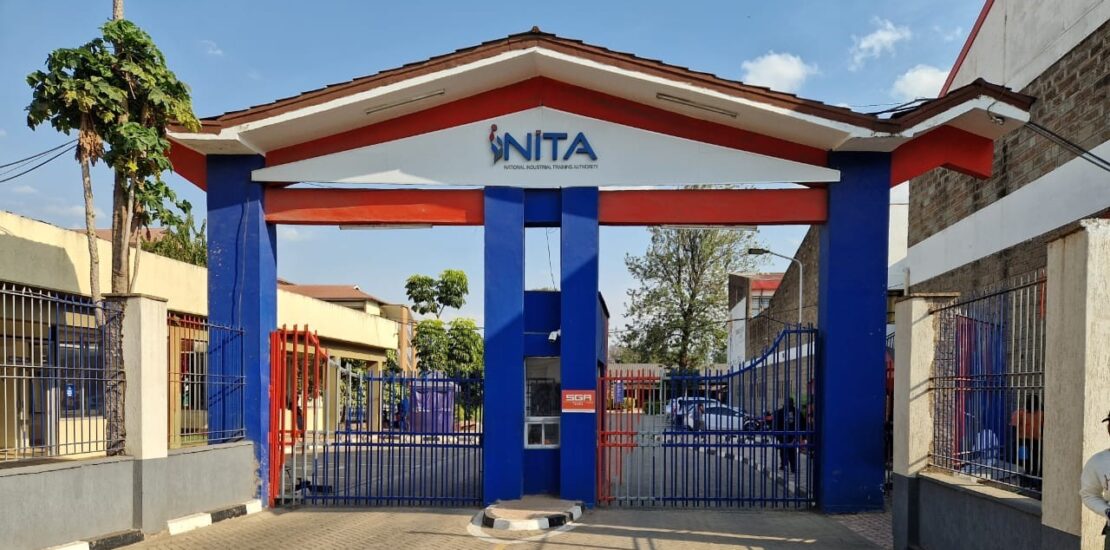
In the competitive landscape of East African commerce, corporate development budgets are closely scrutinized. Organizations are constantly looking for ways to maximize the return on every shilling spent, particularly when it comes to employee capacity building. While internal workshops and uncertified short courses offer temporary skills boosts, partnering with a National Industrial Training Authority (NITA)-accredited training provider transforms professional development from a routine operational expense into a strategic financial asset.
The most immediate advantage of NITA-accredited training lies in statutory compliance and financial recovery. Under Kenyan labour frameworks, registered employers remit the mandatory industrial training levy. However, many organizations treat this contribution purely as a compliance tax, failing to realize that these funds are designed to flow back into their workforce. By collaborating exclusively with NITA-approved training centers, eligible businesses can claim partial or full financial reimbursements for approved staff training programs. This mechanism significantly reduces the net cost of upgrading employee competencies in critical areas like human resources, safety, leadership, and technical operations.
Beyond direct financial incentives, accreditation provides an essential guarantee of quality. NITA evaluates training institutions based on rigorous standards, vetting their curricula, instructional competence, and facility readiness. When organizations invest in certified programs, they eliminate the risk of substandard training and ensure that their teams acquire practical, industry-recognized frameworks that can be applied immediately to daily workflows.
Ultimately, choosing NITA-accredited training aligns corporate growth with national standards of excellence. It signals to stakeholders, regulatory bodies, and employees alike that an enterprise is deeply invested in professional integrity and continuous improvement. By converting statutory obligations into high-yield capacity-building opportunities, forward-thinking businesses can future-proof their workforce while protecting their bottom line.